
Facial Volume Loss
CONCERN
Facial Volume Loss
Balanced facial contours begin with understanding where support has changed.
Explore hollowing, flatter contours, and folds linked with facial volume changes.
Facial Volume Loss
CONCERN
Facial Volume Loss
Balanced facial contours begin with understanding where support has changed.
Explore hollowing, flatter contours, and folds linked with facial volume changes.
Facial Volume Loss
CONCERN
Facial Volume Loss
Balanced facial contours begin with understanding where support has changed.
Explore hollowing, flatter contours, and folds linked with facial volume changes.
CONCERN OVERVIEW
Balanced facial contours begin with understanding where support has changed.
Facial volume loss can create hollow cheeks or temples, flatter contours, and more noticeable folds as fat compartments, bone, and skin support change.
+
HOLLOWING
+
CONTOUR CHANGES
+
DEEPER FOLDS
WHAT IT IS
Reduced facial fullness
Volume loss occurs as facial fat, bone support, and soft tissue distribution change with age.
COMMON APPEARANCE
Hollowing + flatter contours
Common patterns include flatter cheeks, temple hollowing, under-eye shadows, or reduced lip fullness.
OUR APPROACH
Restore balanced volume
Care is planned around facial anatomy, volume distribution, tissue support, movement, history, and natural-looking goals.
UNDERSTANDING THE CONCERN
Volume loss can alter both contour and shadow.
Hollowing may make the face look tired or create stronger folds even when the skin itself remains relatively smooth.
Hollow Cheeks
The midface appears flatter or hollow, with less cheek projection.
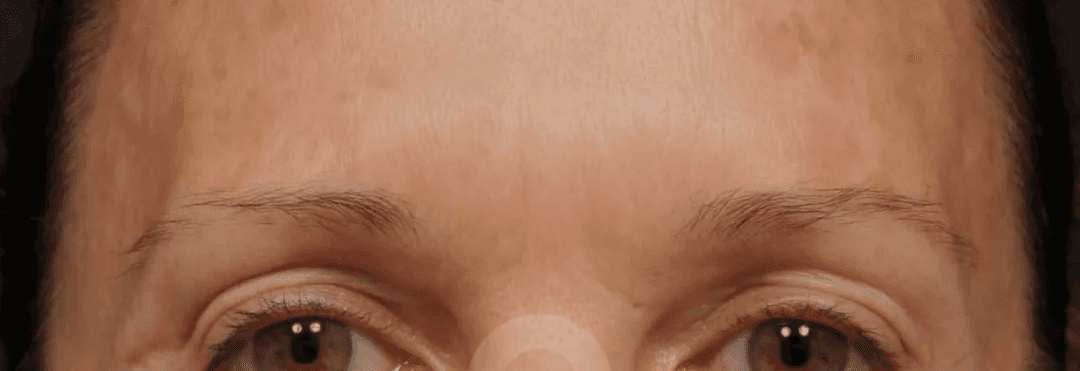
Temple Hollowing
The temples develop visible concavity that can change upper-face contour.

Deeper Facial Folds
Reduced support can make nasolabial or lower-face folds appear more pronounced.
WHY IT HAPPENS
Aging, genetics, weight loss, hormonal changes, and gradual changes in fat compartments and facial bone can reduce support and fullness.
WHAT CAN AFFECT SEVERITY
Age and genetics
Weight loss
Fat distribution
Bone support
Hormonal changes
Sun exposure
UNDERSTANDING THE CONCERN
Volume loss can alter both contour and shadow.
Hollowing may make the face look tired or create stronger folds even when the skin itself remains relatively smooth.
Hollow Cheeks
The midface appears flatter or hollow, with less cheek projection.
Temple Hollowing
The temples develop visible concavity that can change upper-face contour.
Deeper Facial Folds
Reduced support can make nasolabial or lower-face folds appear more pronounced.
WHY IT HAPPENS
Aging, genetics, weight loss, hormonal changes, and gradual changes in fat compartments and facial bone can reduce support and fullness.
WHAT CAN AFFECT SEVERITY
Age and genetics
Weight loss
Fat distribution
Bone support
Hormonal changes
Sun exposure
RECOMMENDED TREATMENTS
Treatment options for Facial Volume Loss.
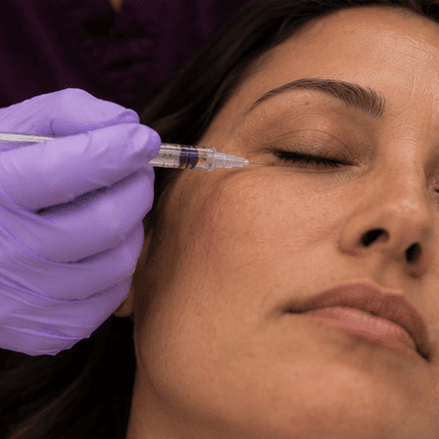
Explore the treatment options available within this service. Your provider will help determine the approach best suited to your goals, anatomy, and desired outcome.




RECOMMENDED TREATMENTS
Treatment options for Facial Volume Loss.
Explore the treatment options available within this service. Your provider will help determine the approach best suited to your goals, anatomy, and desired outcome.
RECOMMENDED TREATMENTS
Treatment options for Facial Volume Loss.
Explore the treatment options available within this service. Your provider will help determine the approach best suited to your goals, anatomy, and desired outcome.
FREQUENTLY ASKED QUESTIONS
Facial Volume Loss questions, answered.
What is facial volume loss?
Facial volume loss can create hollow cheeks or temples, flatter contours, and more noticeable folds as fat compartments, bone, and skin support change.
Why does facial volume decrease?
What can make facial volume loss more noticeable?
Can facial volume loss improve on its own?
What should I consider before treatment?
FREQUENTLY ASKED QUESTIONS
Facial Volume Loss questions, answered.
What is facial volume loss?
Facial volume loss can create hollow cheeks or temples, flatter contours, and more noticeable folds as fat compartments, bone, and skin support change.